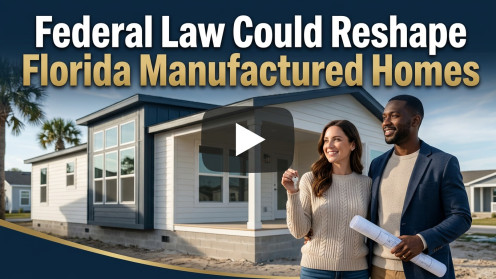
The landscape for manufactured homes in Florida may be shifting, thanks to a new federal law that’s set to redefine both the financing and construction standards of these properties. Over the years, I’ve watched as Florida’s regulations have steadily evolved—particularly after 1992, when enhanced wind resistance requirements raised the bar for safety and quality. While this has certainly improved the caliber of homes available, it’s also meant increased costs for buyers and investors alike.
One notable update: the law immediately raises insured loan limits for manufactured homes. This is significant in my experience, as buyers of these properties have typically faced higher borrowing costs compared to traditional homeowners—a real hurdle to affordability. The expanded federal definition now goes beyond homes built solely on permanent chassis, opening the door for chassis-free options. For those of us overseeing rental portfolios or working with infill projects, this could mean greater design flexibility, especially for homes on permanent foundations. That said, local zoning restrictions still present challenges when it comes to placement.
Ultimately, the impact in Florida will hinge on how federal standards mesh with local regulations. As someone who manages a range of single-family rental properties, I know that financing, inspections, and permitting remain pivotal in determining what’s possible—and affordable—in our market. Staying informed on these changes is key for anyone navigating property management or investment in Florida’s evolving housing sector.
Leave a Reply